

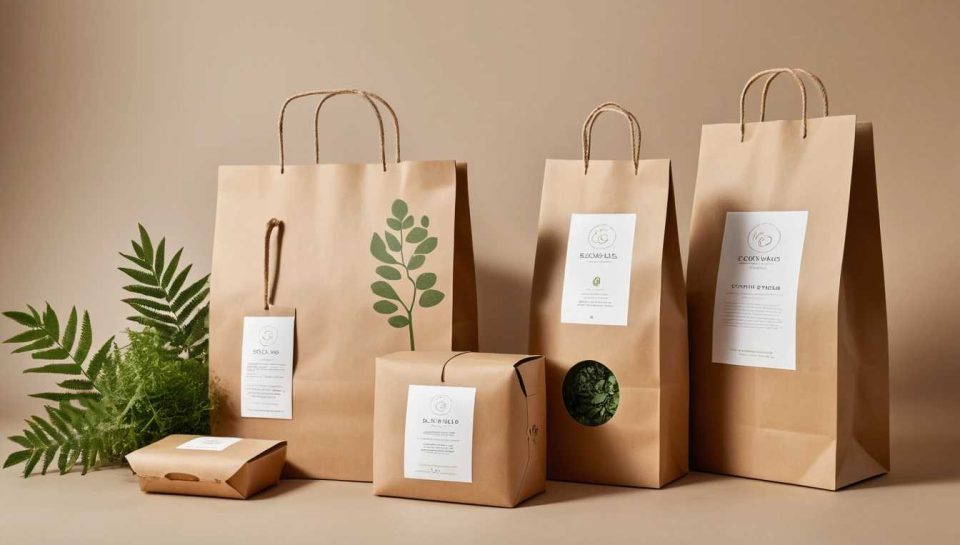
Eco-Friendly Paper Packaging:
The Future of Sustainable Branding
Discover why paper packaging is the future of sustainability! Learn its benefits, branding impact & economic advantages. Upgrade your packaging today!
Why Paper Packaging is Transforming Businesses
In today’s environmentally conscious world, paper packaging is emerging as a smart and sustainable choice for brands looking to reduce waste and enhance their image. As more consumers demand eco-friendly alternatives, businesses that adopt paper packaging are gaining a competitive edge.
The Environmental Benefits of Paper Packaging
One of the key reasons companies are making the switch to paper packaging is its environmental impact. Unlike plastic, which can take centuries to break down, paper is a biodegradable and renewable material.
- Sustainable and Renewable – Paper is sourced from trees, a renewable resource when managed responsibly. Organizations like the Forest Stewardship Council (FSC) certify sustainable forestry practices, ensuring responsible paper production.
- Biodegradable & Compostable – Unlike plastic, which pollutes oceans and landfills, paper decomposes naturally, making it a preferred alternative for eco-conscious businesses.
- High Recyclability – Paper packaging is one of the most widely recycled materials. According to the EPA (Environmental Protection Agency), paper has a significantly higher recycling rate compared to plastic.
- Lower Carbon Footprint – Compared to plastic production, paper manufacturing often has a lower carbon footprint, especially when sourced from recycled materials.
As the famous Native American proverb states, “We do not inherit the earth from our ancestors; we borrow it from our children.” This sentiment underscores the responsibility businesses have in making sustainable choices like paper packaging to protect the planet for future generations.
Economic Advantages of Paper Packaging
Beyond sustainability, paper packaging also presents economic benefits that can enhance business profitability.
- Cost-Effective in the Long Run – While the initial investment in high-quality paper packaging may be slightly higher, its long-term benefits, such as positive brand perception and customer loyalty, outweigh the costs.
- Boosts Local Economies – Paper packaging is often produced locally, reducing transportation costs and supporting regional businesses. This also cuts emissions from long-distance shipping.
- Regulatory Compliance & Incentives – Governments worldwide are pushing for sustainable packaging regulations. Companies using eco-friendly packaging may qualify for tax benefits and incentives.
Branding and Paper Packaging: A Perfect Match
Paper packaging isn’t just about sustainability—it’s a powerful branding tool that enhances customer experience and fosters loyalty.
- Eco-Friendly Brand Identity – Businesses committed to sustainability can communicate their values through paper packaging. According to a Harvard Business Review study, consumers are more likely to support brands that prioritize sustainability.
- Tactile & Visual Appeal – Paper has a premium, natural feel that resonates with customers. Whether smooth and glossy or textured and rustic, paper enhances the unboxing experience.
- Customizable & Versatile – Unlike rigid plastic packaging, paper allows for unique branding opportunities, such as embossing, debossing, and full-color printing.
- Premium & Minimalist Design – Many high-end brands use paper packaging to convey sophistication and exclusivity, making their products more desirable.
- Stronger Customer Engagement – Thoughtful packaging can communicate a brand’s story, sustainability efforts, and mission. Companies like Apple have successfully used minimalist, paper-based packaging to enhance their brand identity.
Overcoming Challenges in Paper Packaging
While paper packaging offers numerous benefits, businesses must address some challenges:
- Durability Concerns – Paper is less resistant to moisture and impact than plastic. However, innovations such as wax-coated paper and biodegradable laminates are addressing this issue.
- Higher Initial Costs – Some paper packaging options, especially those made from high-quality recycled material, may have a higher upfront cost. However, the long-term ROI in branding and customer loyalty justifies the investment.
- Supply Chain Considerations – Ensuring a consistent supply of sustainably sourced paper is crucial for large-scale businesses. Partnering with reliable suppliers certified by organizations like the FSC can mitigate this issue.
The Future of Paper Packaging
With increasing consumer awareness and stricter environmental regulations, the future of packaging is undeniably leaning toward sustainability. Businesses that adopt paper packaging now will be better positioned for long-term success, gaining both customer trust and compliance with evolving regulations.
Companies that leverage paper packaging as both an eco-friendly and strategic branding tool will not only reduce their environmental footprint but also build stronger customer relationships and drive greater market differentiation.
By making the switch today, brands can be pioneers in the sustainable packaging movement, setting an example for others to follow.